Too much searching
“Where is the right information – and is it actually up to date?”
Information is searched for, copied, checked and repeatedly assembled by hand. Systems multiply. Requirements increase. Processes slow down. Time and costs keep rising.
You experience it every day: searching, asking, copying, coordinating – and waiting for decisions that should be faster.
“Where is the right information – and is it actually up to date?”
The same data is entered, transferred, checked and corrected again and again.
Questions, handovers and missing context slow down processes and decisions.
ERP, PIM, PLM, CMS and AI are in place – but the expected efficiency gains do not materialise.
What is missing is clarity between data, processes and responsibilities. A new ERP, PIM, DPP platform or AI assistant may be useful – but only once it is clear which problem it is meant to solve.
We start small: with one real process, product or data flow. Not another major project.
Where are time, money or quality being lost?
Make processes, data sources and responsibilities visible.
Bring data models, semantics and systems together.
Build one pilot and measure the value.
Clarify data flows and reduce manual steps.
→ work fasterMake knowledge, semantics and process context usable for AI.
→ AI with reliable knowledgeIdentify gaps and structure information for multiple purposes.
→ clarify once, reuse many timesToday distributed and manually connected. Tomorrow: one clear process, defined data and a shared semantic layer – for service, AI, documentation and DPP.
Move from data chaos to a reliable data foundation: organise, connect and reuse information so processes become faster and every new requirement does not trigger another isolated project.
Obligation met – but effort and business value barely improve.
ERP, PIM, PLM or a DPP platform without strategy, processes and semantics may simply digitise existing chaos.
Data becomes reusable for DPP, service, audits, sustainability, AI and new business models.
A good system helps little if goals, processes, responsibilities or data are unclear. Not everything has to change: we first find the bottleneck – and improve only what creates measurable value.
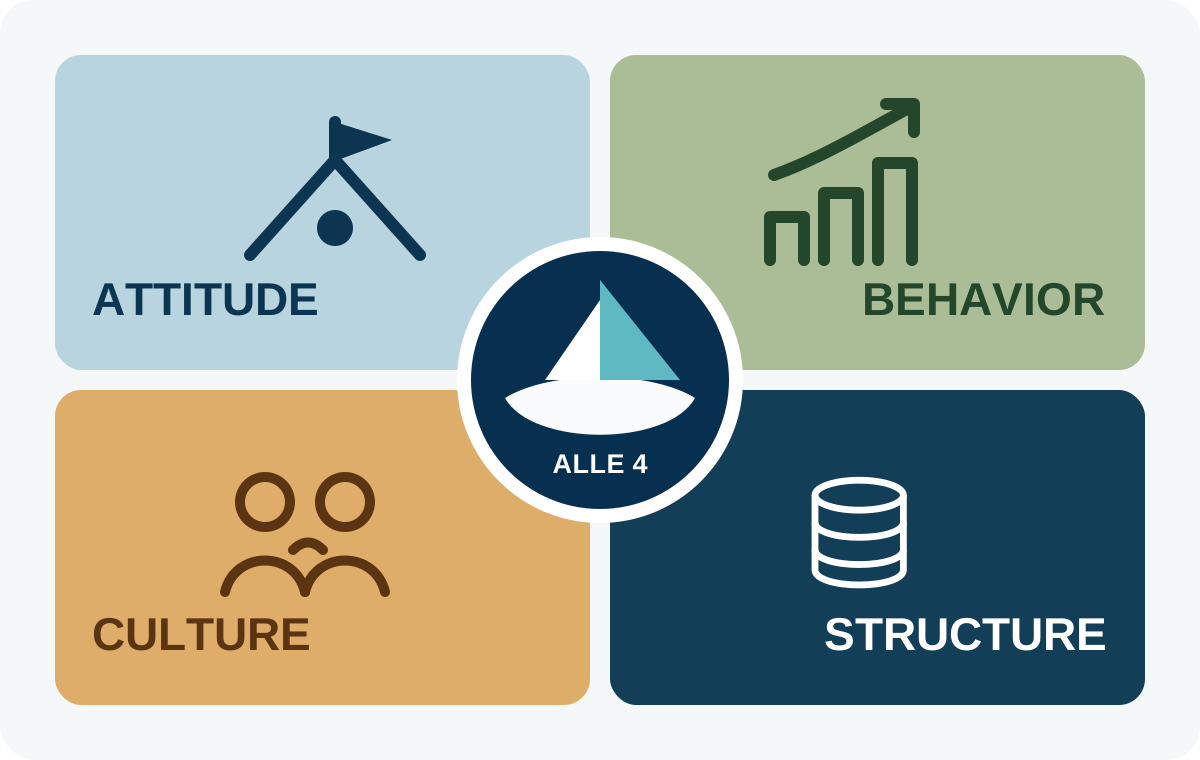
What exactly should improve – and how will we recognise success?
Where do we lose time, money or quality – and what should measurably improve?
Who needs which information – and who is responsible for it?
How does information become unambiguous, connected and reusable?
Otherwise it is just effort. The DPP is a use case – value comes from better data and better processes across the company.
Provide evidence faster.
Less manual duplicate work.
Reliable data accelerates.
Trace sources and relationships.
Service, AI and new business models.
Data clarity and sustainability are not created by a single vendor. We connect specialists in regulation, sustainability, data management, semantics, technical communication and processes with experts inside the company.
An expert from our Academy network contributes to a VDI technical committee on technical documentation. From October 2026 we expect further practical orientation on useful guardrails for companies on their path toward the Digital Product Passport.
AI does not become successful simply by introducing another tool. It becomes valuable when corporate knowledge is reliably structured and relationships become understandable.
That is why we connect data clarity, semantic layers and processes: understand and model processes with BPMN first, clarify responsibilities and required information, and build a semantic data layer from there. Only then can AI consistently support work across ERP, PIM, PLM, CMS and other sources.
Understand processes → model with BPMN → clarify data → create semantics → implement consistently → use AI effectively.
Two German-language online sessions for companies that want to look beyond compliance and connect data clarity, sustainability and measurable business value.
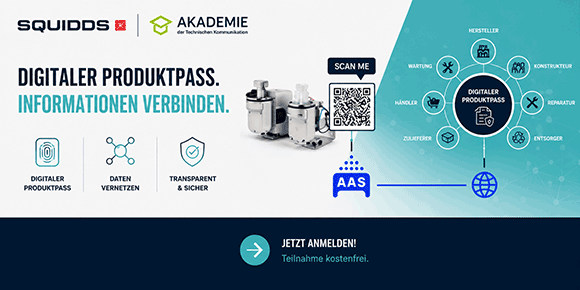
A practical introduction to digital product data and the DPP, focusing on data quality, connected information and pragmatic implementation.
Event in German · Registration →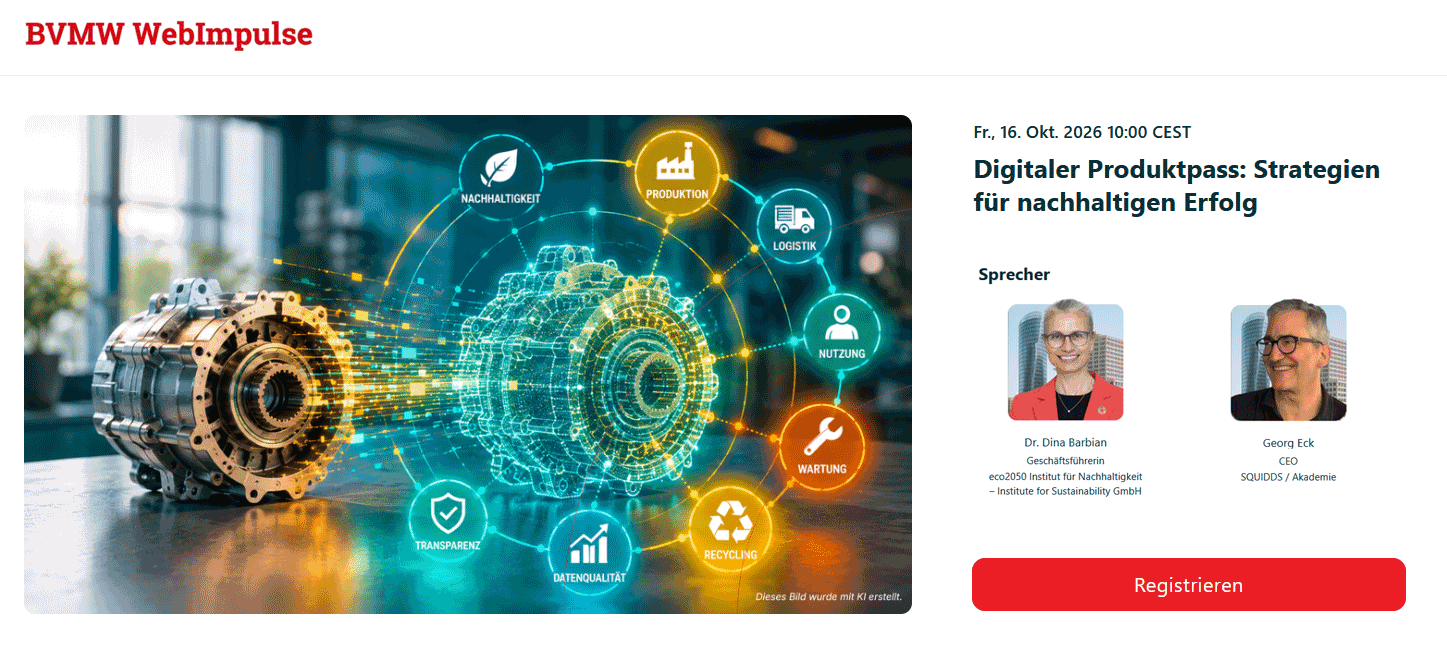
With Dr Dina Barbian and Georg Eck: EU regulation, circular economy, data quality and practical ways to turn DPP requirements into competitive advantage and new business models.
Event in German · Details & registration →If one or more questions make you pause, it is worth talking. Not because you need a project immediately – but because clarity is the first step.
Not only legally: which customers already demand additional data?
ERP, PDM/PLM, PIM, CMS, Excel, PDF – and who understands the relationships?
Who creates, validates, maintains and approves it?
Materials, origin, PCF, repair, compliance or supply chain?
Which data supports DPP, service, sales, AI and audits at the same time?
Which manual handovers, media breaks and duplicate work cost time today?
Where can you learn quickly without starting a major programme?
Where can you reduce cost and risk or create new services and revenue?
Tell us briefly what is on your mind and when we may call you back – for example: “Please call me on 3 September between 10am and noon.”
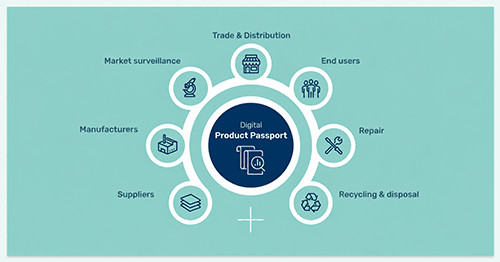
The real value lies in the data clarity created behind it.
When product, sustainability and process data is structured, semantic and traceable, it can be reused not only for the Digital Product Passport, but also for service, audits, AI, technical communication, supply chains and new business models.